Independent Australia
14 May 2025, 07:30 GMT+10
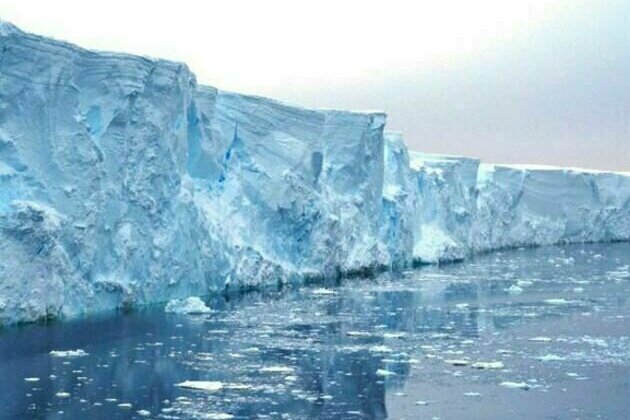
Scientists have detected a mass gain in Antarctica's ice sheet, but it's not quite the climate victory we've been hoping for, writesVince Hooper.
FOR DECADES, the story from Antarctica has been bleak: relentless ice loss, glaciers retreating and a continent that once seemed untouchable, now a key driver of rising seas threatening Australias coasts. But in a rare twist, satellite data from 2021 to 2023 revealed something no one expected.
Antarcticasice sheet, especially in East Antarctica, actuallygained massenough to slow the rise of the global sea level briefly.Should Australians take comfort? Not quite.
Between 2011 and 2020, Antarctica was hemorrhaging ice at an average of 142 gigatons per year, a trend that had been accelerating and pushing sea levels higher.Then, seemingly out of nowhere, came a net gain of about 108 gigatons per year from 2021 to 2023, trimming global sea level rise by a modest 0.3 mm annually.
The turnaround wasmost dramaticin four East Antarctic glacier basins Totten, Denman, Moscow University and Vincennes Bay previously among the continents fastest losers.
What changed? Not the climate, but the weather. A spike in snowfall, driven by unusual atmospheric and oceanic patterns, dumped enough snow to tip the balance, at least for now.This is not evidence of a cooling trend or a broader recovery, but a blip caused by short-term climate variability.
La Nia could become the norm for AustraliaClimate change isslowing downthe conveyor belt of ocean currents that brings warm water from the tropics up to the North Atlantic.
Australians are no strangers to the whims of El Nio and the Southern Annular Mode (SAM) climate drivers that shape our droughts, floods and bushfires. It turns out these same forces are also behind Antarcticas recent ice drama.
WhenEl Nio Southern Oscillation (ENSO) shifts, the impacts ripple south, sometimes months later, altering snowfall and melt patterns on the ice sheet.The SAM, now in its most positive phase in a millennium (thanks in part to human-driven greenhouse gases), changes wind and moisture flows between Australia and Antarctica, withprofound effectson both continents.
Furtherresearchshows that these drivers can cause dramatic year-to-year swings in Antarctic ice, but the long-term trend remains downward.A sizeable part of the ice sheets mass change over the past two decades is linked to persistent shifts in the SAM, underscoring the deep connection between Australias climate and the fate of our southern neighbour.
Australia is uniquely exposed to sea level rise. Our major cities hug the coast and even small changes in Antarctic ice can have outsized impacts here. The recent ice gain offers only a temporary reprieve. The Antarctic ice sheet still holds enough water to raise global sea levels by about 58 metres if it were to melt entirely a distant but sobering prospect.Even with this short-term anomaly, the long-term outlook remains grim: continued net ice loss and accelerating sea level rise.
Polar regions in peril without government actionWhat will it take to get any government to recognise and take substantive action on climate change and biodiversity loss?
This Antarctic anomaly is a scientific curiosity, not a climate victory. It highlights how much we still must learn about the complex interplay of ocean, atmosphere and ice, especially in a warming world where surprises are becoming more common.For Australia, its a reminder that our future is tied to what happens in Antarctica, and that climate action at home and abroad remains urgent.
As ProfessorMatt Kingfrom the University of Tasmaniaputs it:
So, while this rare ice gain is worth noting, its no reason for Australians to breathe easy. The underlying forces of climate change are still at work and the next anomaly may not be so kind.
In short, Australias coastal future still depends on what happens in Antarctica, and this short-lived ice gain is a reminder of both the complexity and urgency of the climate challenge we face. So, while Antarctica's icy surprise might seem like nature's way of saying Just kidding, let's not be lulled into a false sense of security. After all, when it comes to climate change, the only thing we can predict is its unpredictability.
Vince Hooperis a proud Australian/British citizen who is professor of finance and discipline head at SP Jain School of Global Management with campuses in London, Dubai, Mumbai, Singapore and Sydney.
Get a daily dose of Sydney Sun news through our daily email, its complimentary and keeps you fully up to date with world and business news as well.
Publish news of your business, community or sports group, personnel appointments, major event and more by submitting a news release to Sydney Sun.
More InformationTAIPEI, Taiwan: Taiwan's exports grew much more than expected in April, as buyers rushed to purchase its high-tech products before...
NEW YORK, New York - A better-than-expected CPI reading sent the Standard and Poor's 500 and the Nasdaq Composite higher on Tuesday,...
MONTREAL, Canada: Air Canada has cut its annual core profit forecast and missed first-quarter revenue estimates, citing a drop in U.S.-bound...
CUPERTINO, California: Apple's plan to introduce AI-powered search options on its Safari browser poses a major challenge to Google,...
FRANKFURT, Germany: Foreign workers have emerged as a critical force behind the euro zone's economic growth since the pandemic, offsetting...
NEW YORK, New York - U.S. stocks surged on Monday following news that the Trump administration had agreed to a 90-day reduction of...
REDMOND, Washington: Microsoft has prohibited its employees from using Deepseek, a Chinese artificial intelligence app, citing concerns...
HONOLULU, Hawaii: Pharmaceutical giants Bristol Myers Squibb and Sanofi have agreed to pay $700 million to Hawaii to settle a lawsuit...
WASHINGTON, D.C.: The U.S. Food and Drug Administration (FDA) said this week it will start using artificial intelligence (AI) in all...
NEW YORK CITY, New York: Citigroup must defend itself against a revived lawsuit accusing the bank of facilitating and concealing a...
Gaza Faces Imminent Famine as Aid Blockade Enters 70th Day, UN Warns The entire population of Gaza is now at critical risk of famine,...
WASHINGTON, D.C.: The Republican-led U.S. House of Representatives has passed a bill to rename the Gulf of Mexico as the Gulf of America,...